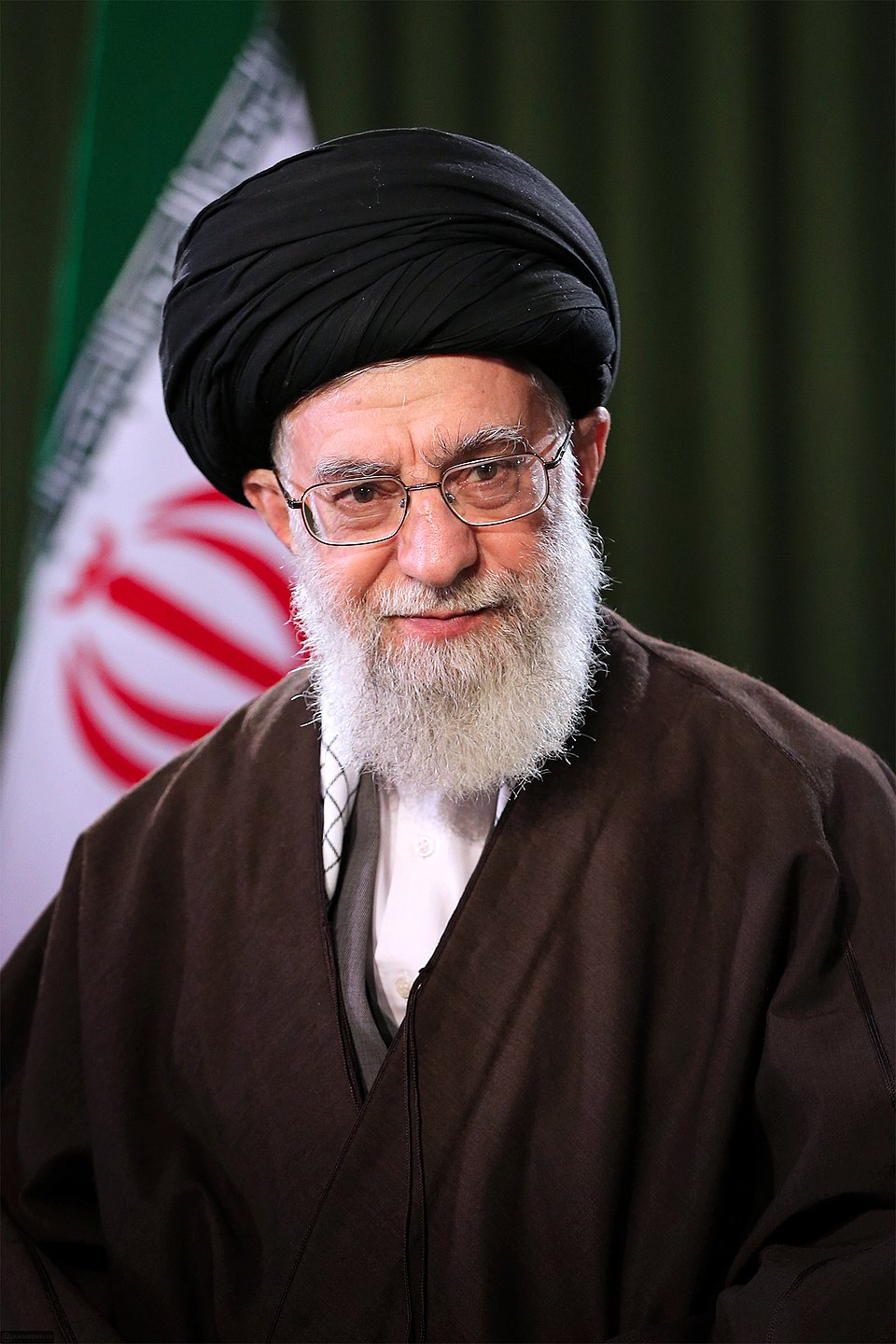
Iran After Khamenei: What His Demise Means for Global Stability
The news reverberated globally, shaking geopolitical fault lines: Ayatollah Ali Khamenei, Iran's Supreme Leader for over three decades, had fallen. Killed in a series of targeted Israeli-American airstrikes, the passing of the man who wielded ultimate authority in the Islamic Republic marked the end of an era, closing a chapter in Iran’s modern history that many Iranians and international observers had long hoped to see concluded. The immediate aftermath was a maelstrom of conflicting emotions and predictions, casting a long shadow over global stability.
For some, particularly within certain Islamic circles, his passing represented a "great loss" for Islam. Former Senegalese foreign minister, Madické Niang, reacting to the news, expressed profound sadness, lamenting the death of the Shiite leader and warning of a "very destructive and deadly" war if hostilities continued. He underscored Iran's unwavering resolve to "continue to fight until the very last moment." Yet, for others, including the US administration and many Iranians yearning for change, this represented a historic turning point, an opportunity for transformation – even a triumphant échec Khamenei – a strategic defeat or failure of the old order long awaited. This article delves into the profound implications of Khamenei's demise for Iran and the intricate web of global stability.
The Seismic Shock: Khamenei's Demise and Its Immediate Aftermath
The targeted airstrikes that claimed Supreme Leader Ali Khamenei’s life on a Saturday morning were not a spontaneous act but the culmination of months of deliberation. As revealed by U.S. officials, President Trump, convinced that this was a rare and fleeting moment for regime change, personally oversaw the final plans. His objective was clear: weaken the regime in Tehran, prompt the Iranian people to "rise up and take over your government," and achieve a crowning legacy accomplishment that had eluded his predecessors.
The attacks targeted Khamenei's compound, among other principal objectives, leaving little standing, as satellite images later confirmed. Trump, announcing the death, branded Khamenei "one of the most evil people in History," reflecting a hardened stance against the Islamic Republic. This decisive action, deploying the largest number of U.S. forces to the region since the 2003 Iraq invasion, underscored the gravity of the gamble.
The immediate reactions were polarized. While parts of the Islamic world mourned and called for a cessation of hostilities, acknowledging Iran's stated intention to continue its fight, the architects of the strike viewed it as a historic accomplishment. This dramatic conclusion to his long reign could be seen as a strategic échec Khamenei for those hoping for an alternative future, a moment where external pressure finally fractured the long-standing edifice of his power. The world held its breath, recognizing that the ripples from this event would extend far beyond Iran's borders. For deeper insights into the geopolitical chess game that led to this moment, read Trump's Legacy: How US-Israel Strikes Ended Khamenei's Reign.
Navigating the Void: Succession and Internal Power Dynamics
With the Supreme Leader gone, the most pressing internal question for Iran is succession. The Islamic Republic's unique political structure places immense power in the hands of the Supreme Leader, making his replacement a monumental and potentially destabilizing process. The responsibility falls upon the Assembly of Experts, a body of 88 high-ranking clerics elected by the people, to choose the next Rahbar (Leader).
The criteria for succession are stringent: the individual must be a recognized Shia scholar (a Marja-e Taqlid, though a lesser status might be accepted in exceptional circumstances), possess political and social acumen, and be a trusted figure within the clerical establishment and the Revolutionary Guard. While potential successors are often discussed in hushed tones, the actual selection process is notoriously opaque. Key figures within the judicial system, the military, and prominent clerical families will undoubtedly vie for influence, creating a complex web of internal power struggles. The prospect of factionalism and infighting within Iran's deep state could be substantial. The inherent volatility in this transition, if not carefully managed by the ruling elite, could represent an échec Khamenei for the stability he sought to ensure, potentially leading to unforeseen shifts in Iran's political landscape.
- Key Indicator: Watch for swift consolidation around a single candidate, or prolonged deliberation indicating deep divisions within the Assembly of Experts and the IRGC.
- Practical Tip: Analysts will scrutinize the religious credentials and political leanings of any frontrunners for clues on potential policy shifts.
Global Ripples: Iran's Foreign Policy and Regional Stability
The demise of Ali Khamenei sends shockwaves throughout the Middle East and beyond, profoundly impacting global stability. Iran's foreign policy under Khamenei was characterized by staunch anti-Western rhetoric, support for regional proxies, and an unwavering pursuit of its nuclear program. A new Supreme Leader, regardless of their immediate stance, will inherit this complex legacy and face immense pressure, both domestically and internationally.
The immediate concern is regional escalation. Madické Niang's warning of a "very destructive and deadly" war resonates with fears that Iran's extensive network of proxy groups – including Hezbollah in Lebanon, Houthi rebels in Yemen, and various militias in Iraq and Syria – might respond with retaliatory actions. The scale and nature of these responses will be a critical determinant of regional stability. Will a new leader seek to assert strength through confrontation, or adopt a more cautious approach to avoid further destabilization?
The fate of the Iran Nuclear Deal (JCPOA) also hangs in the balance. Khamenei had been a skeptical but ultimate arbiter of Iran's nuclear ambitions. A new leader might either double down on nuclear advancements, prompting a crisis, or, less likely, signal a willingness for renewed negotiations. The prospect of an échec Khamenei impacting regional power balances is real, with countries like Saudi Arabia, the UAE, and Israel closely monitoring for any signs of weakness or opportunity. Furthermore, the roles of global powers like the U.S., European Union, Russia, and China will be pivotal in shaping the geopolitical response, influencing whether the region plunges into wider conflict or navigates towards an uneasy truce.
The Future of Iranian Society: Between Uprising and Consolidation
President Trump's hope that Khamenei's death would spur the Iranian people to "take over your government" highlights a crucial, yet uncertain, domestic dimension. For decades, many Iranians have expressed dissatisfaction with the economic hardship, political repression, and lack of social freedoms under the Islamic Republic. Protests have erupted periodically, often met with brutal crackdowns. Khamenei's departure, a central pillar of the regime, could either embolden dissent or trigger a fierce consolidation of power by the remaining hardline elements.
The Revolutionary Guard (IRGC), a powerful military and economic force, will play a critical role in maintaining order. Their loyalty to the Supreme Leader is paramount, and they will likely be instrumental in either suppressing any widespread unrest or guiding a controlled transition. Economic conditions, which have been severely impacted by international sanctions and internal mismanagement, will heavily influence public sentiment. A new leader's ability to address these grievances will be key to preventing further widespread disillusionment.
For the Iranian people, the coming months will determine whether Khamenei's departure truly signifies an échec Khamenei of the old order, paving the way for meaningful reform and greater freedoms, or if it merely leads to a continuation, or even intensification, of the status quo under a new, equally authoritarian leadership. The world watches, hoping that this historic turning point can lead to a more stable and prosperous future for Iran and the wider region.
- Actionable Advice: Monitor Iranian state media for signs of unified leadership or propaganda campaigns designed to quell dissent.
- Key Fact: Iran's youth population, a significant demographic, often represents the strongest desire for social and political change.
Conclusion
The death of Ayatollah Ali Khamenei marks an undeniable turning point for Iran and global stability. His three-decade rule, characterized by ideological rigidity and confrontation, concluded amidst a dramatic display of international force, setting in motion a cascade of uncertain consequences. The immediate reactions, ranging from profound sorrow within certain Muslim communities to triumphant declarations of a strategic échec Khamenei from its adversaries, underscore the deep divisions and high stakes involved.
The world now faces the daunting task of navigating a post-Khamenei Iran. The internal process of succession, the potential for regional escalation through its proxy network, and the trajectory of its nuclear program will be critical determinants of the future. While some hope for an internal uprising and a move towards greater openness, the entrenched nature of the Islamic Republic's institutions and the power of the Revolutionary Guard suggest that change, if it comes, will likely be slow and fraught with challenges. The unfolding aftermath of the échec Khamenei is not merely an Iranian affair; it is a defining geopolitical challenge that will test the resolve and diplomatic skill of nations worldwide, with profound implications for peace and stability in one of the world's most volatile regions.